
Solar Savings Calculator Guide (2026): How Much Will You Really Save?

H2 headings in these guides automatically get IDs from the blog renderer, so the Table of Contents works without manual anchors.
How Are Solar Savings Calculated?
Solar savings are not magic. They are a simple function of:
- how many units your system generates,
- how much of that generation you consume at home,
- and the electricity tariff structure in your area.
Most homeowners care about one metric: monthly bill reduction. In practice, savings come from replacing grid units with solar units.
A common estimation used in India is that 1 kW generates ~120 units/month on average (varies by location, season, shading and orientation). Our calculator uses a practical estimation approach for quick planning.
Real Example: A Family in Gujarat
Let’s use a practical example that resembles many Gujarat households:
- Monthly bill: ₹3,000
- Roof area: ~200 sq ft
- Sanctioned load: 3 kW
Use the calculator to estimate kW. A 2–3 kW system is common in this bill range (final depends on roof and load).
If your home uses power in daytime (fans, fridge, work-from-home), self-consumption increases. Higher self-consumption improves savings.
With net metering, extra units exported to the grid can be credited, improving economics across seasons.
For Gujarat-specific process details, see: Gujarat subsidy guide.
Use Our Free Solar Savings Calculator
Our calculator combines subsidy + savings logic:
- Start on /calculator
- Use Subsidy tab for system size and subsidy
- Use Savings tab for projected monthly and long-term savings
Use the savings estimate as a planning tool. Final results vary by roof shading, equipment performance, tariff category and net metering rules.
25 Year Savings Projection
Solar panels are long-life assets. A 25-year projection helps you see the long-term benefit, but you should interpret it carefully:
Do not assume every exported unit is paid at the same “retail rate.” Net metering credits can vary based on your DISCOM rules and billing cycle.
Net Metering — Sell Excess Power Back
Net metering is a key part of the residential rooftop ecosystem:
- You consume solar power instantly during the day.
- Excess is exported and recorded by the meter.
- You may receive credits on your bill depending on the billing rules.
Commissioning and net metering approval are often required steps before subsidy is processed. Keep your net metering paperwork and inspection dates tracked.
If you’re stuck in “pending” status, read: Status check guide.
Frequently Asked Questions
Can solar reduce my bill by 90%?
In some usage patterns, yes, especially when daytime consumption is high and net metering works smoothly. But results vary by home and tariff.
What affects savings the most?
Shading, system size, self-consumption ratio, and your electricity tariff structure.
Should I size the system only to maximize subsidy?
No. Size it based on your consumption, roof and load constraints. Subsidy has a cap; oversizing can cause feasibility issues.
Is a loan worth it for solar?
If EMI is manageable relative to monthly savings, it can work well. Compare using Loan vs Subsidy.
Where can I calculate savings and payback?
Use our calculator for subsidy, EMI and savings projections.
Related Guides
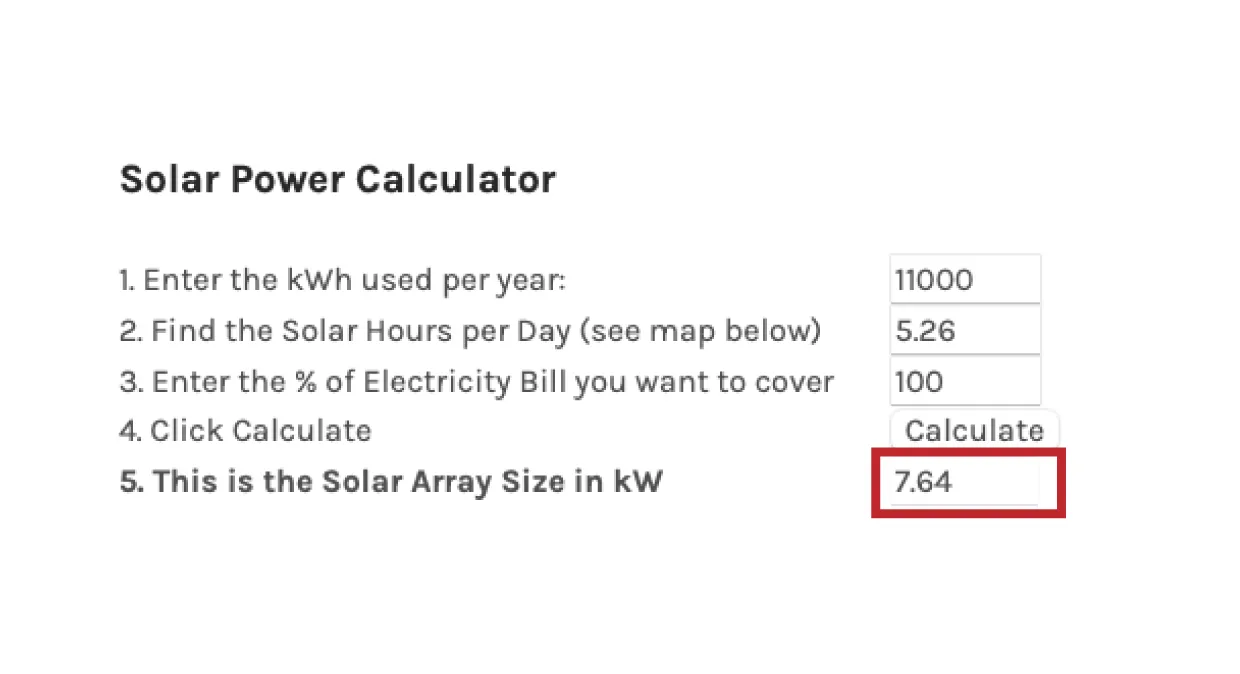
Learn the exact solar bill calculation formula used in India. Includes net metering formula, payback period formula and a free calculator to verify your numbers.

A practical finance guide: use subsidy first, loan for the remaining cost. Understand solar loan options, compare EMI impact, and decide when a loan makes sense.

A clear checklist and step-by-step walkthrough for applying online on pmsuryaghar.gov.in, choosing an empanelled vendor, and tracking your application to commissioning and DBT.